
Earthquake Retrofitting in San Francisco
Seismic Resilience Backed by Bay Area Engineering Know-How
Living With Seismic Risk in San Francisco
Earthquake retrofitting in San Francisco isn’t theoretical. The city sits directly between the San Andreas and Hayward Fault systems, and USGS projections put the probability of a magnitude 6.7 or greater earthquake in the Bay Area at 72% by 2043. The 1989 Loma Prieta earthquake proved the stakes when Marina District soft-story buildings collapsed on liquefied fill and fires from ruptured gas mains burned four city blocks.
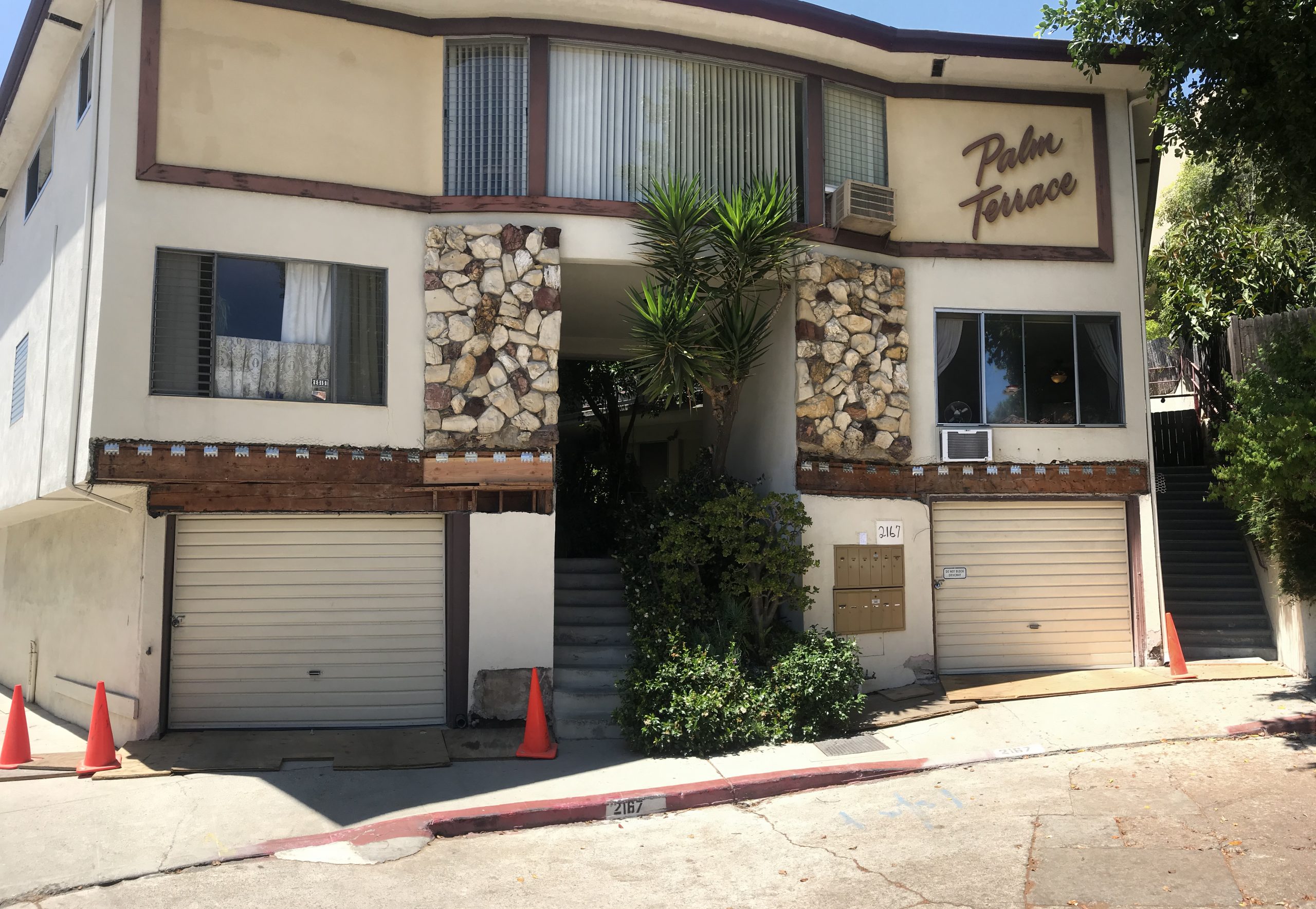
Much of the city’s rent-controlled housing stock, from Edwardian flats to three-story walk-ups over tuck-under garages, predates modern seismic codes. These vulnerable structures cluster in the Mission, Western Addition, Richmond, Pacific Heights, North Beach, and Marina neighborhoods. Mandatory retrofit requirements now apply to specific building types, with real penalties for owners who delay.
Is Your Building Required to Retrofit?
The Mandatory Soft Story Program (MSSP) emerged from the Community Action Plan for Seismic Safety (CAPSS) as part of the city’s Earthquake Safety Implementation Program (ESIP). It requires seismic upgrades for the building types most likely to fail under seismic load.
Your building is likely subject to the ordinance if it meets all of the following:
- Wood-frame (Type V) construction
- Five or more residential units
- Two or more stories over a basement or underfloor area
- A soft-story condition that hasn’t been seismically strengthened
- Permitted for original construction before January 1, 1978
Buildings outside the MSSP can pursue voluntary upgrades under AB-094, the city’s voluntary retrofit program, which reduces risk, improves insurability, and strengthens resale positioning.
Get a Quote
Need more help?
(844) 72-BUILD
(866) 985-6936
MSSP Compliance Tiers and Deadlines
Under Building Code Chapter 34B, the Department of Building Inspection (DBI) assigned soft-story buildings to four compliance tiers. All four deadlines expired between 2017 and 2020. If your building hasn’t been retrofitted, it’s currently years past due.
- Tier I (special, institutional, and educational buildings): Deadline passed September 15, 2017. Over 8 years overdue.
- Tier II (residential buildings with 15 or more units): Deadline passed September 15, 2018. Over 7 years overdue.
- Tier III (residential buildings with 5 to 14 units): Deadline passed September 15, 2019. Over 6 years overdue.
- Tier IV (ground-floor commercial uses or mapped liquefaction zones): Deadline passed September 15, 2020. Over 5 years overdue.
Buildings still out of compliance face Notices of Violation from DBI, earthquake warning placards posted at the building entrance alerting tenants and visitors, referral to the City Attorney’s office, and liens against the property. A professional evaluation is the fastest way to confirm your tier classification, current status, and path back to compliance.
See How We’ve Helped San Francisco Properties Stay Standing Strong
“The crew knew their stuff, and it showed in the quality of their work." – Natassia Y.
Posted onTrustindex verifies that the original source of the review is Google. Great work!Posted onTrustindex verifies that the original source of the review is Google. Retrofit1 totally saved our home's foundation! We were stressing over cracks and uneven floors, but their team swooped in and handled everything with ease. From the first inspection to the final repair, they were super responsive and professional. The crew knew their stuff, and it showed in the quality of their work. Plus, they kept us in the loop throughout the whole process, which eased our worries. Now our foundation feels solid as a rock, and we can finally breathe easy knowing our home is in good hands. Huge shoutout to Retrofit1 for their expertise and excellent service! Highly recommend them!Posted onTrustindex verifies that the original source of the review is Google. Communication and quality! What is most important. Highly recommendedPosted onTrustindex verifies that the original source of the review is Google. Great company and great service and they do a great job.
Seismic Retrofitting Services in San Francisco
We provide focused earthquake retrofitting services tailored to local ordinances and building conditions, managing both mandatory and voluntary upgrades.
Need more help?
(844) 72-BUILD
(866) 985-6936
Soft Story Seismic Retrofitting
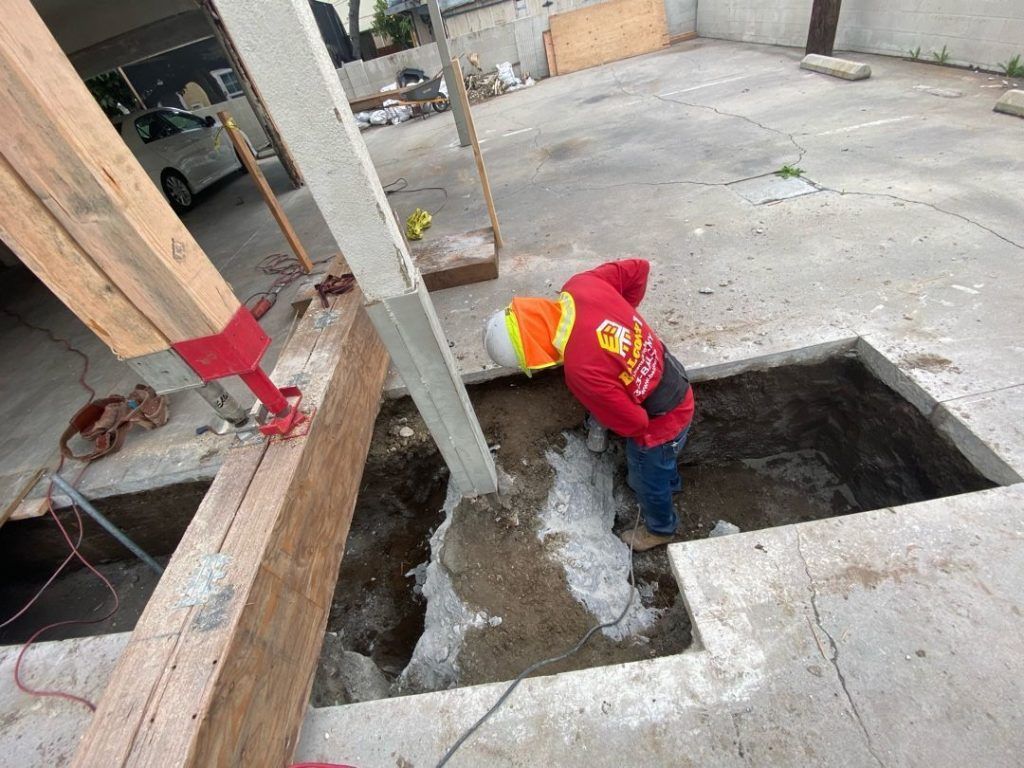
Many older buildings feature open ground floors with limited lateral support. We retrofit soft story structures using steel frames and shear walls designed to meet MSSP requirements while preserving parking and usable space, following our established soft-story retrofitting process used across the Bay Area.
Earthquake Brace and Bolting
Older homes often lack proper anchorage between the structure and foundation. Our earthquake brace and bolting work secures the building frame to the foundation and reinforces cripple walls to reduce shifting during seismic activity, using methods consistent with modern earthquake brace and bolting standards.
Foundation Repair and Structural Reinforcement
Cracked, settling, or weakened foundations significantly increase earthquake risk. Our foundation repair and structural reinforcement work restores load transfer, improves stability, and supports seismic retrofit upgrades in older buildings through proven foundation repair solutions.
Tenant Habitability Program (THP) Management
For multi unit properties, our Tenant Habitability Program manages communication, scheduling, and coordination so retrofit work proceeds safely and in compliance with San Francisco tenant protection requirements through our established Tenant Habitability Program.
Other SF Retrofit Ordinances You Should Know
Unreinforced Masonry (URM) Program (1992): The city’s oldest seismic retrofit program targeted URM buildings, including brick and stone structures built before 1940 without steel reinforcement. Most covered properties have completed retrofit work, but unpermitted or partially retrofitted structures remain subject to enforcement.
Concrete Building Safety Program (CBSP) (2025): In May 2025, the Board of Supervisors passed legislation mandating seismic screenings for roughly 4,000 non-ductile concrete and tilt-up buildings. The program currently focuses on assessment and voluntary retrofit standards, with mandatory retrofit timelines expected to follow. Owners of pre-1984 concrete buildings over 3,000 square feet should expect screening requirements in the near term.
We handle retrofits for both URM and non-ductile concrete buildings, using wall anchorage, moment frame reinforcement, and shortcrete shear walls based on each property’s deficiencies.
What Retrofit Work Typically Costs
Pricing varies by building size, tier, and scope:
- Single-family brace and bolt: $3,000 to $7,000
- Soft-story buildings (5 to 14 units): $60,000 to $130,000
- Larger soft-story buildings (15+ units): $130,000 to $250,000+
- Ground-floor commercial: Varies widely with storefront and tenant coordination
Final pricing depends on foundation condition, ground-floor openings, engineered vs prescriptive design, permit complexity, materials, and site access.
Two important cost offsets for SF landlords:
- Proposition 13: Seismic retrofit work is excluded from property tax reassessment
- Rent Board passthrough: Multi-unit owners can pass mandatory retrofit costs to tenants at 100% as “Seismic Work Required by Law” (hardship appeals available)
Financial Assistance Options for San Francisco Property Owners
Several state-level grant programs help qualifying property owners offset retrofit costs.
Earthquake Brace + Bolt (EBB)
The EBB program offers grants of up to $3,000 toward foundation bolting and cripple wall bracing for pre-1980 wood-frame homes on raised foundations. As of 2025, rental and non-owner-occupied properties are eligible for the first time, opening the program to landlords. Income-qualifying households (earning $94,480 or less) can also apply for a supplemental grant of up to $7,000, bringing total funding to $10,000.
Earthquake Soft-Story (ESS) Grant Program
The ESS program offers up to $13,000 for owner-occupied single-family homes built before 2000 with living space directly over a garage. Eligibility is ZIP-code based and currently covers parts of San Francisco.
What to Expect From Our 4 Step Retrofit Process
Step 1: Property Evaluation
We begin with a detailed structural evaluation to identify seismic vulnerabilities and determine whether prescriptive or engineered solutions are required.
Step 2: Retrofit Design and Permitting
Our licensed engineers prepare code compliant retrofit plans, and we handle all permit submissions and coordination with local building officials.
Step 3: Professional Installation
Our crews install steel frames, shear walls, bracing systems, and foundation anchors with careful attention to tenant safety and building operations.
Step 4: Final Inspection & Compliance
We coordinate final inspections and documentation to confirm your property meets all San Francisco seismic retrofit requirements.

"The crew knew their stuff, and it showed in the quality of their work."
Natassia Y
Why Property Owners Choose Retrofit1
Our team has completed 1,000+ seismic retrofit projects across California over 20+ years, with direct experience navigating MSSP compliance, DBI inspections, and multi-unit tenant coordination.
- In-house licensed engineers: All retrofit plans designed and stamped by our own engineers, not outsourced
- Deep MSSP fluency: Hands-on work with DBI on inspections, approvals, and enforcement resolution across all four tier cycles
- Tenant-focused execution: Work sequenced to minimize disruption, with Rent Board-compliant coordination on habitability and parking compensation
Estimates built around ordinance requirements: Fewer surprises from permit delays, rework, or enforcement pitfalls
Common Questions
Straight Answers Before You Retrofit
The Department of Building Inspection can issue a Notice of Violation, assess daily fines, and eventually post your building as unfit for occupancy. Enforcement has ramped up significantly, so overdue properties face real financial and legal consequences.
Yes. The California Earthquake Authority (CEA) offers premium discounts of up to 25% for homes with verified retrofit work like foundation bolting and cripple wall bracing. Documentation from a licensed contractor is typically required.
Many do. Homes built before 1940 often lack foundation bolting and have unbraced cripple walls, two of the most common failure points in past Bay Area earthquakes. These aren't mandated by MSSP but are strong candidates for voluntary upgrades.
Prescriptive retrofits follow pre-approved standard plans and work for simpler buildings. Engineered retrofits involve custom structural calculations by a licensed engineer and are required for larger or more complex properties. Your building's size, age, and condition determine which path applies.
Retrofitting is designed to prevent collapse and protect life safety, not guarantee zero damage. Properly retrofitted soft-story buildings performed significantly better than unretrofitted ones during Loma Prieta, which is exactly why the MSSP exists.
Compliance Deadlines Won't Wait. Neither Will the Next Earthquake.
San Francisco sits on borrowed time, and every day a vulnerable building stays untouched is another day of exposure you’re absorbing personally. Tenants, lenders, insurers, and inspectors are all watching. The sooner you know where your building stands, the sooner you’re operating from confidence instead of risk.
Schedule a property evaluation to confirm your building’s retrofit requirements and next steps.