
Earthquake Retrofitting in Long Beach, California
Protect Your Investment, Secure Your Peace of Mind
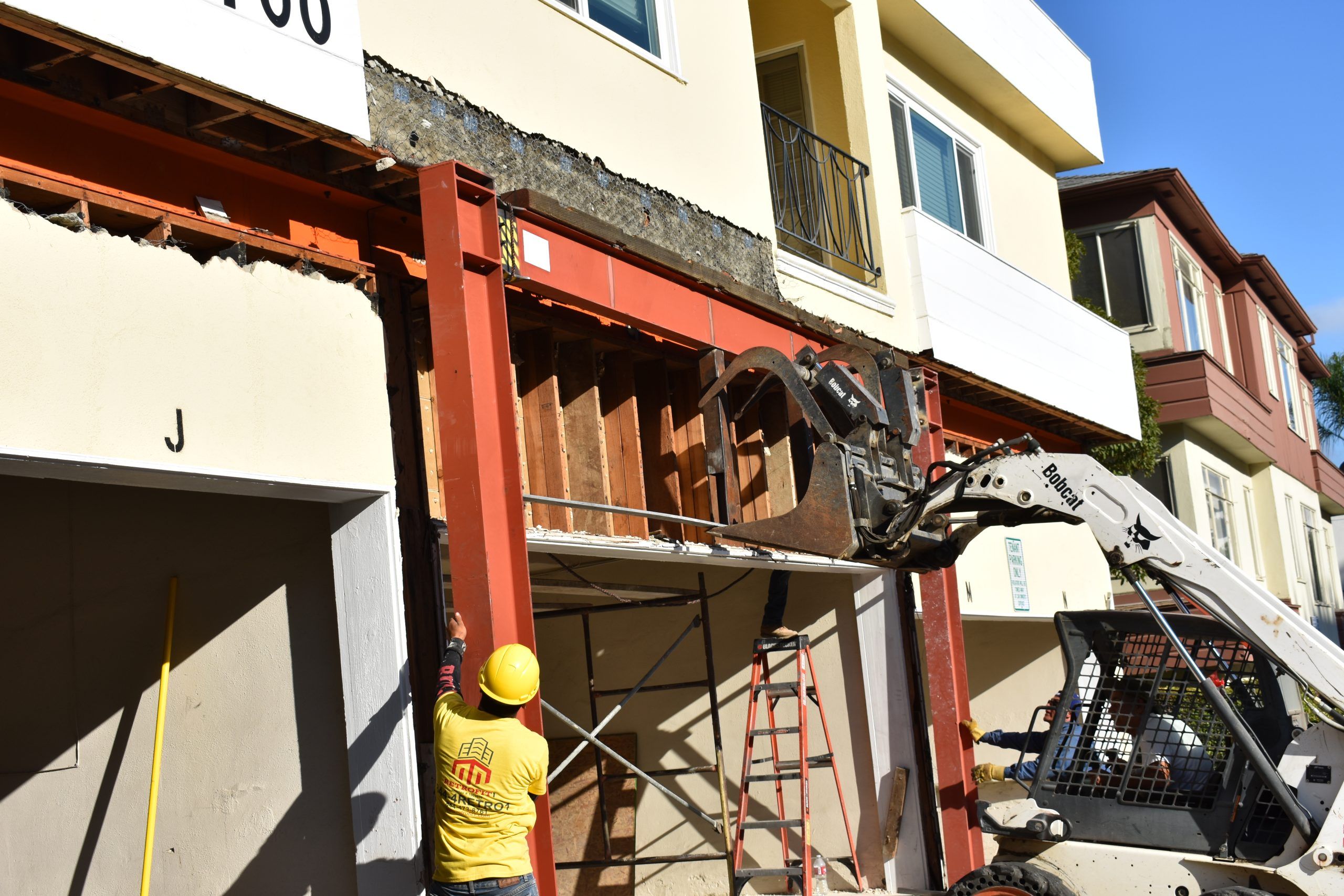
Earthquake retrofitting in Long Beach means reinforcing a structure so it survives what the ground will eventually do. For wood-frame homes, that’s brace and bolt work at the cripple wall and sill plate. For multi-unit buildings with tuck-under parking or open storefronts, it’s soft-story reinforcement using steel moment frames or engineered shear walls.
The Newport-Inglewood Fault Zone runs through this city, and the 1933 quake it produced killed more than 115 people and rewrote California’s seismic codes. Structures built before those codes are the ones at risk, and the ones we strengthen.
Long Beach's Seismic Program: Voluntary Now, Mandatory Coming
Long Beach’s current soft-story retrofit program is voluntary, but a mandatory Building Resiliency Program is in active development. Owners who act now lock in current grant funding and get ahead of the compliance deadlines that will follow.
- The Current Framework: LBMC Chapter 18.70 covers voluntary retrofitting of wood-frame buildings with soft, weak, or open-front (SWOF) walls.
- The SWOF Inventory: The City maintains a list of buildings identified with SWOF characteristics. Owners can request reassessment using Form-062, or removal using Form-063 once a retrofit is completed.
- What’s Coming: A proposed mandatory Building Resiliency Program would introduce required retrofit deadlines for multi-family and commercial buildings. Properties retrofitted to current standards will be positioned to meet whatever compliance timeline follows.
Get a Quote
Need more help?
(844) 72-BUILD
(866) 985-6936
"Retrofit1 totally saved our home’s foundation!”
Hear from Long Beach Clients About Our Retrofitting Expertise
Posted onTrustindex verifies that the original source of the review is Google. Great work!Posted onTrustindex verifies that the original source of the review is Google. Retrofit1 totally saved our home's foundation! We were stressing over cracks and uneven floors, but their team swooped in and handled everything with ease. From the first inspection to the final repair, they were super responsive and professional. The crew knew their stuff, and it showed in the quality of their work. Plus, they kept us in the loop throughout the whole process, which eased our worries. Now our foundation feels solid as a rock, and we can finally breathe easy knowing our home is in good hands. Huge shoutout to Retrofit1 for their expertise and excellent service! Highly recommend them!Posted onTrustindex verifies that the original source of the review is Google. Communication and quality! What is most important. Highly recommendedPosted onTrustindex verifies that the original source of the review is Google. Great company and great service and they do a great job.
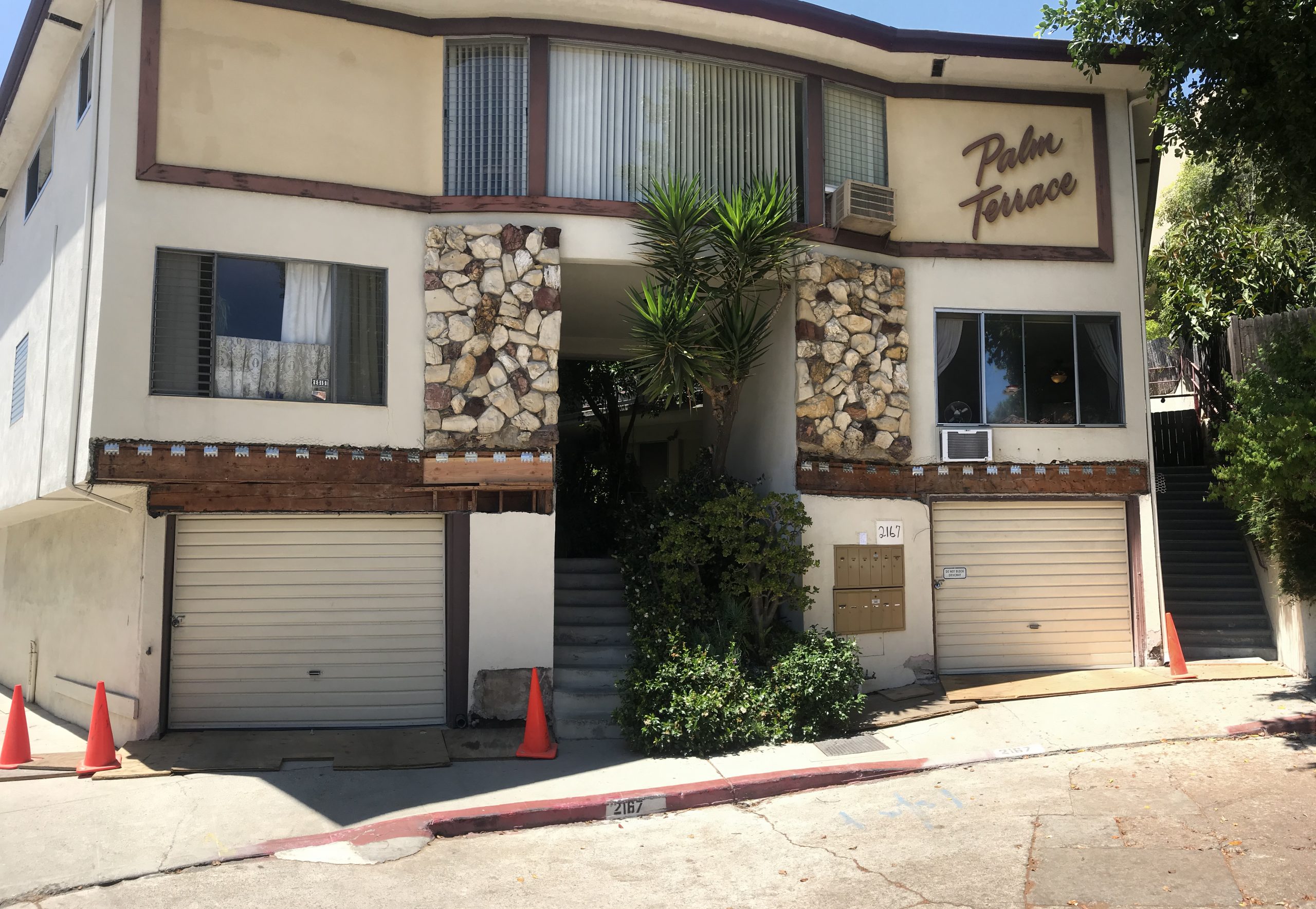
Why Property Owners Choose Our Team
Seismic retrofitting is our specialty, not a side service:
- Over 20 years focused on retrofitting, with 700+ projects completed
- Licensed, bonded, and insured California contractor (CSLB License #1003868)
- Plans engineered and stamped by licensed California structural engineers
- Engineering, permits, and city inspections handled start to finish
- Tenant Habitability Program coordination for occupied multi-unit buildings
- High-grade steel and structural hardware installed by our own in-house crews
In addition to Long Beach, we also offer soft-story earthquake retrofitting in Los Angeles, Burbank, Beverly Hills, Pasadena, Orange County, and West Hollywood.
Tailored Solutions for Every Type of Property
The pre-war craftsman bungalows in Rose Park, the soft-story dingbats along Atlantic Avenue, and the raised post-and-pier cottages in Belmont Shore each fail differently under seismic load. Every building has a unique structural footprint, which is why we offer a suite of seismic services designed to address the specific vulnerabilities of your property.
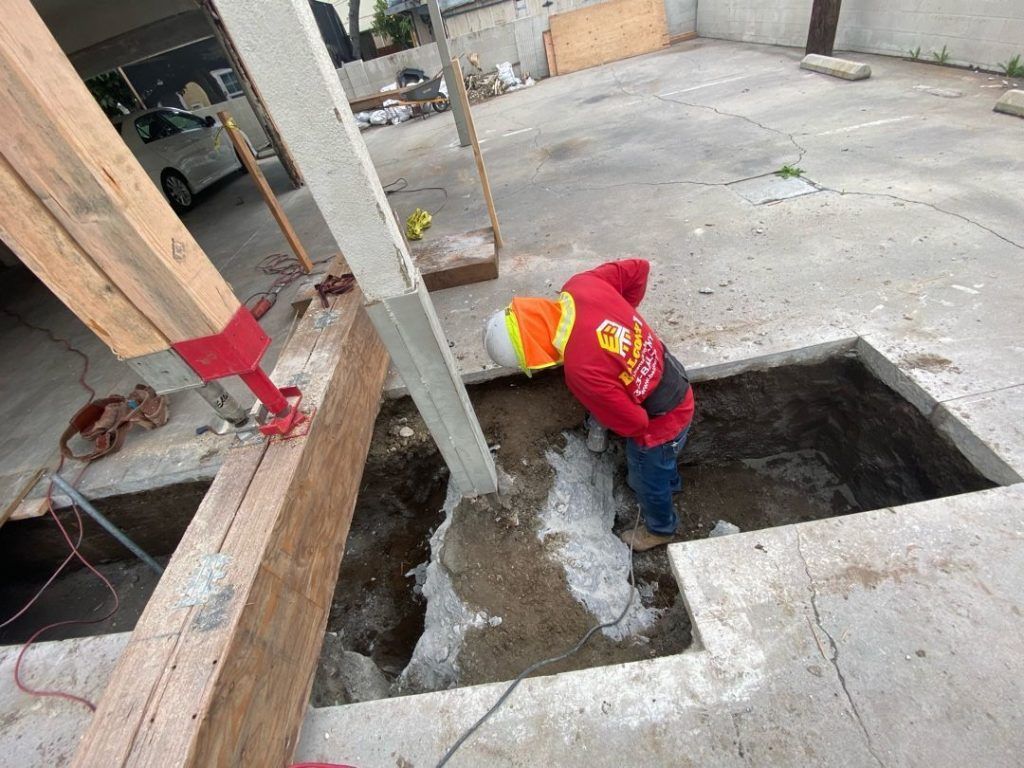
Soft-Story Retrofitting
Buildings with open ground floors are especially vulnerable during seismic events. Soft-Story Retrofitting strengthens these levels with engineered support systems that stabilize the structure and help prevent collapse.
Earthquake Brace & Bolting
One of the most common earthquake failures occurs when a structure separates from its foundation. Earthquake Brace & Bolting secures the framing with anchor bolts and structural hardware that keep the building firmly attached during seismic movement.
Foundation Repair Services
A damaged or shifting foundation can undermine the safety of any building. Foundation Repair Services stabilize settling, cracking, or deteriorating foundations so the structure has a reliable base.
Tenant Habitability Program (THP)
Retrofit projects in multi‑unit buildings must account for tenant safety and local regulations. The Tenant Habitability Program (THP) helps manage communication, scheduling, and compliance during construction.
Areas We Serve Across California
Our Step-by-Step Retrofitting Process
We believe in making complex projects feel simple and transparent. Our streamlined process ensures your project is completed on time, on budget, and with constant communication.
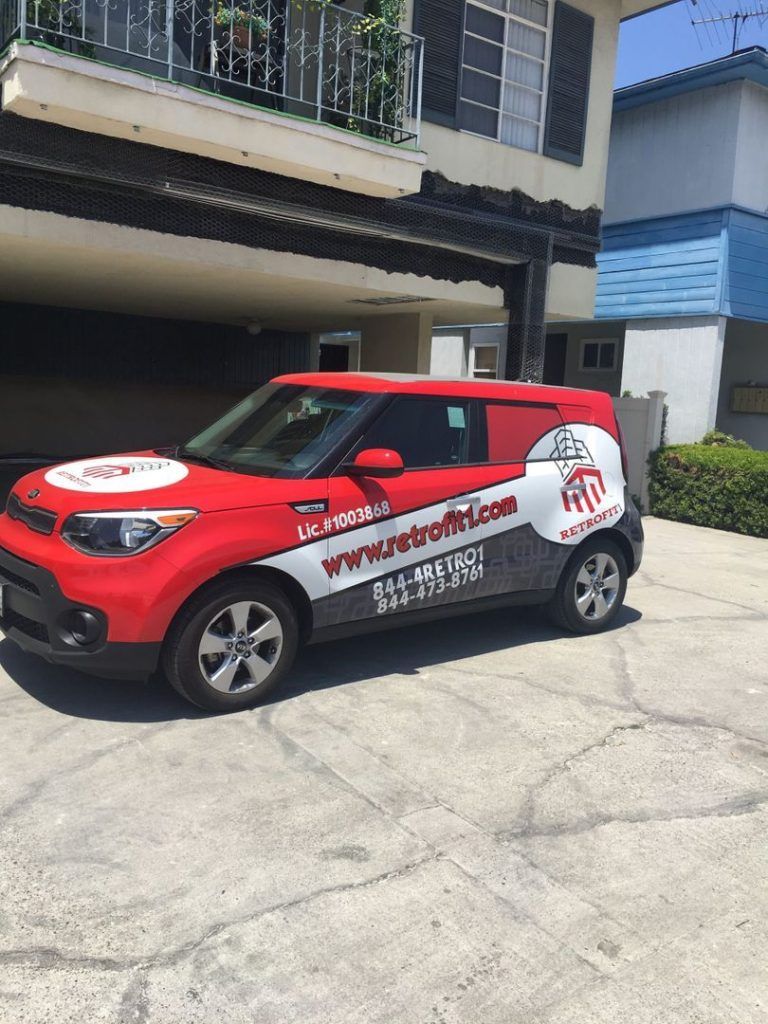
Step 1: The No-Obligation Structural Assessment
It all starts with a visit to your property. One of our retrofitting technicians will conduct a detailed inspection to identify structural weaknesses and determine the scope of work required for safety and compliance.
Step 2: Custom Engineering & Solution Design
Using data from our assessment, we create a custom retrofitting plan. This blueprint outlines the precise reinforcements needed, from foundation work to steel frame installation, ensuring an effective and efficient solution.
Step 3: Professional Installation with Minimal Disruption
Our experienced in-house crews get to work, executing the plan with precision. We pride ourselves on maintaining a clean, safe job site and working efficiently to minimize noise and disruption for you and your tenants.
Step 4: Final Inspection & City Approval
Once the work is complete, we coordinate a final inspection with the Long Beach Department of Building and Safety. We walk through the project with the inspector to ensure all work is signed off on, guaranteeing your full compliance.
Paying for Your Retrofit: Grants, Rebates, and Financing
Several programs help cover retrofit costs. Most projects qualify for at least one, and some can be combined:
- Earthquake Brace + Bolt (EBB) Grant: Up to $3,000 for qualifying wood-frame homes built before 1980 with raised foundations. As of 2025, rental properties are eligible for the first time.
- EBB Supplemental Grant: Income-eligible households earning $89,040 or less may qualify for up to $7,000 in additional funding, often covering most or all of the retrofit cost.
- Earthquake Soft-Story (ESS) Program: Rebates for retrofitting homes with living space above a garage, administered by the California Residential Mitigation Program with FEMA funding.
- PACE Financing: 100% financing repaid through your property tax bill across up to 30 years. Covers engineering, permits, and construction with no balloon payment, and transfers to new owners if you sell.
- CEA Hazard Reduction Discount: Retrofitted single-family homes meeting California Earthquake Authority standards qualify for earthquake insurance premium discounts that partially offset monthly financing costs.
We help clients identify which programs fit their building and handle the paperwork required for grant reimbursements and lender approvals.
Common Questions
Questions That Come Up on Every First Call
If your wood-frame building has a large open ground floor, tuck-under parking, storefronts, or wide garage openings, and was built before 1978, you're a likely candidate. A quick structural assessment confirms it in under an hour.
In most soft-story projects, yes. Work happens in phases around occupied units, with Tenant Habitability Program notices served in advance. When relocations are needed, they usually relate to parking access rather than living conditions.
Voluntary doesn't mean liability-free. Owners remain responsible for earthquake damage to occupied buildings regardless of mandate status. Acting now also secures current grant funding, avoids the permit and contractor pricing spikes that follow every mandatory ordinance adoption, and positions your property ahead of the upcoming Building Resiliency Program.
The City's Soft, Weak, or Open-Front (SWOF) inventory is publicly available through the Building Department. If your property was incorrectly identified, Form-062 requests a reassessment. Form-063 removes a property from the list once a retrofit is complete and permitted.
Often, yes. The California Earthquake Authority offers a hazard reduction discount on qualifying retrofitted single-family homes. Multi-family discounts vary by carrier, and a completed retrofit with proper documentation is typically required.
A Retrofit Costs Less Than a Lawsuit
Post-quake repair bills, tenant injury claims, red-tag notices, lost rental income. Every one of those outruns the cost of doing the work now. Schedule a free structural assessment and get a clear picture of what your building needs, what it’ll cost, and how soon it can be finished.