
Earthquake Retrofitting in Los Angeles, CA
Securing Your Investment, Protecting Your Tenants
Earthquake retrofitting in Los Angeles is the structural reinforcement of older buildings so they can resist seismic forces during a major earthquake. Under Ordinance 183893, LADBS requires mandatory retrofits for pre-1978 wood-frame soft-story apartment buildings and certain non-ductile concrete structures.
Retrofit1 is a licensed seismic retrofit contractor serving apartment owners, landlords, and property managers across Los Angeles, Santa Monica, Long Beach, Pasadena, Glendale, and nearby areas. Whether you have received an Order to Comply or want to strengthen your building before the next major earthquake, we manage the full process from structural assessment through final LADBS sign-off.

“From the first inspection to the final repair, they were super responsive and professional.” – Natassia Y.
Hear From Homeowners About Our Retrofitting Work
Posted onTrustindex verifies that the original source of the review is Google. Great work!Posted onTrustindex verifies that the original source of the review is Google. Retrofit1 totally saved our home's foundation! We were stressing over cracks and uneven floors, but their team swooped in and handled everything with ease. From the first inspection to the final repair, they were super responsive and professional. The crew knew their stuff, and it showed in the quality of their work. Plus, they kept us in the loop throughout the whole process, which eased our worries. Now our foundation feels solid as a rock, and we can finally breathe easy knowing our home is in good hands. Huge shoutout to Retrofit1 for their expertise and excellent service! Highly recommend them!Posted onTrustindex verifies that the original source of the review is Google. Communication and quality! What is most important. Highly recommendedPosted onTrustindex verifies that the original source of the review is Google. Great company and great service and they do a great job.
Seismic Retrofitting Services for Los Angeles Buildings
Need more help?
(844) 72-BUILD
(866) 985-6936
Soft-Story Retrofitting
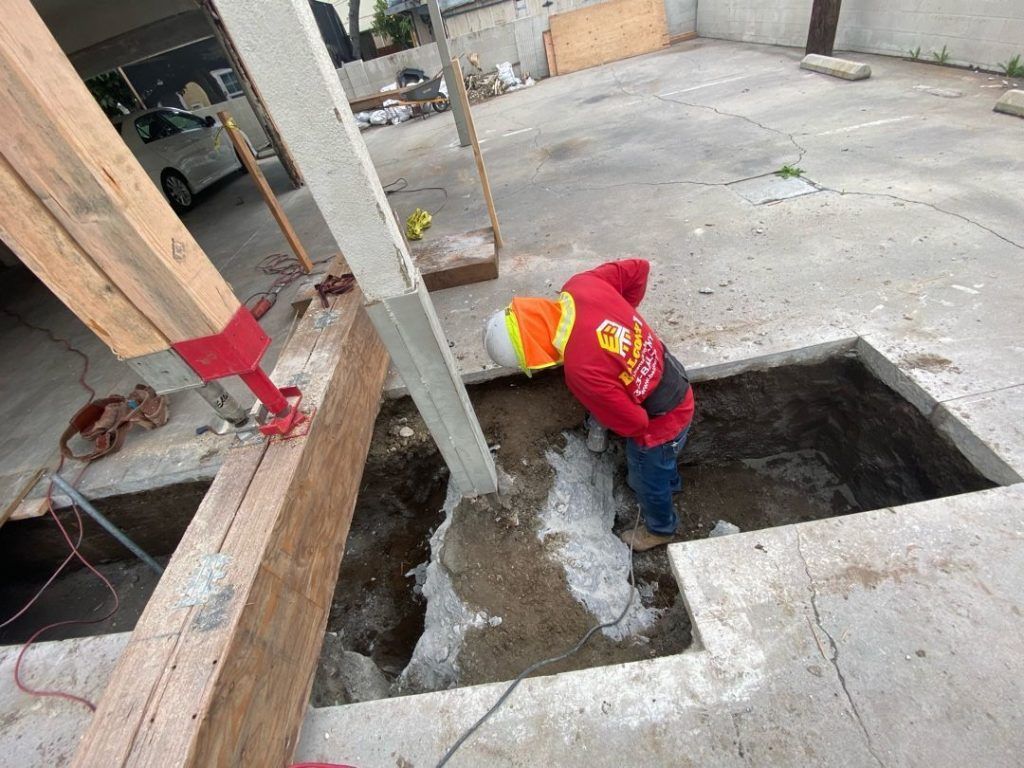
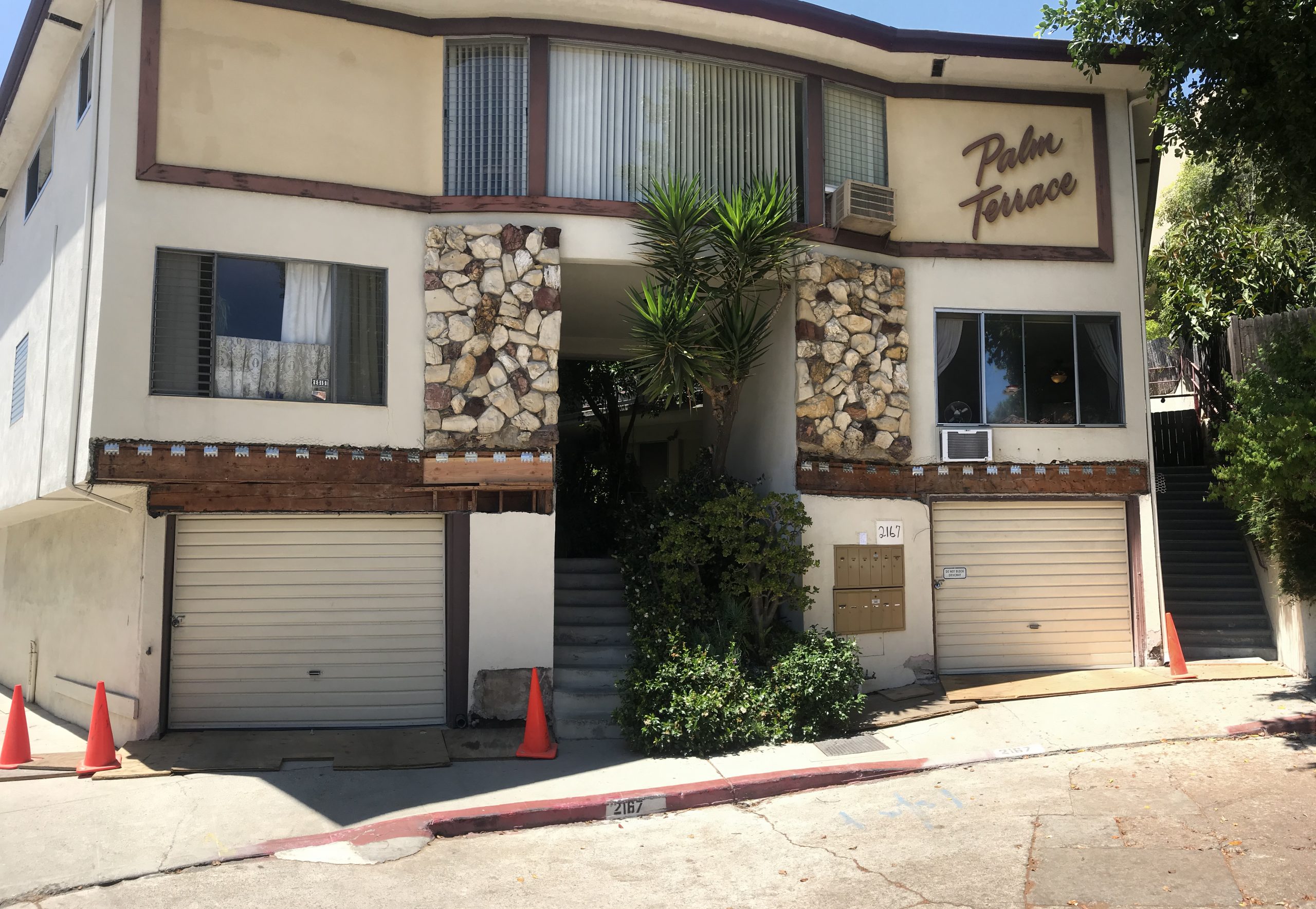
Many Los Angeles apartment buildings have open ground-floor parking, tuck-under parking, or large commercial openings that create structural weak points. We reinforce these areas with engineered steel frames and code-compliant retrofit solutions designed to improve stability and satisfy local soft-story requirements.
Earthquake Bolting & Bracing
Older wood-frame buildings often have weak connections between the framing and foundation. Our bolting and bracing work may include anchor bolts, framing connectors, hardware upgrades, and braced wall reinforcement based on the building’s condition.
Structural Inspection & Retrofit Design
Every successful retrofit starts with a clear understanding of the building. We inspect vulnerable areas, evaluate structural conditions, identify likely failure points, and develop engineer-led retrofit plans tailored to the property.
Foundation Repair & Structural Reinforcement
Foundation problems can weaken seismic performance and complicate retrofit planning. When needed, we address those issues through targeted foundation repair and structural reinforcement to improve stability and load transfer.
Tenant Habitability Program (THP)
Multi-unit retrofit work requires careful coordination, not just construction. We help property owners navigate THP requirements by managing notices, access, scheduling, and project phasing throughout the job.
Cripple Wall Bracing & Framing Reinforcement
Older homes and smaller multifamily buildings can have weak framing-to-foundation connections or unbraced cripple walls. We strengthen these vulnerable areas with targeted bracing and framing reinforcement where the structure requires it.
Los Angeles Soft-Story Retrofit Ordinance 183893
Ordinance 183893 (amended by 184081) mandates seismic retrofits for approximately 13,500 soft-story wood-frame buildings and certain non-ductile concrete structures in Los Angeles.
Buildings covered
Two or more stories, wood-frame construction, built under codes before January 1, 1978, with ground-floor or tuck-under parking, and four or more units.
Order to Comply deadlines
- 2 years: Retrofit or demolition plans submitted
- 3.5 years: Permits obtained
- 7 years: Construction complete and permits closed
Non-ductile concrete buildings have a separate window up to 25 years.
Missing the deadline
Misdemeanor charges under the LA Municipal Code, escalating LADBS fines, property liens that block refinance or sale, and vacate orders in severe cases.
Retrofit1 manages the full sequence from property assessment through final sign-off.
Paying for Your Retrofit
Several programs can offset retrofit costs depending on building type:
- Earthquake Brace + Bolt (EBB): State grant of up to $3,000 for wood-framed homes built before 1980 on raised foundations. Rental properties qualify as of 2025.
- Earthquake Soft-Story (ESS): State grant for single-family homes with living space over a garage.
- RSO cost recovery: LA landlords with rent-stabilized buildings can pass through up to 50% of mandatory retrofit costs to tenants as a monthly surcharge, subject to LAHD caps.
- PACE financing: Lets commercial and qualifying residential owners finance the project through a property tax assessment with no upfront cost.
We help owners identify which programs apply and prepare the documentation they require. Final eligibility sits with CRMP, LAHD, or the PACE provider.
Why Seismic Upgrades Matter Beyond Compliance
Not every property faces the same level of seismic risk, but many older Los Angeles buildings share structural characteristics that make them more vulnerable during an earthquake.
Buildings that commonly need earthquake retrofitting in Los Angeles include:
- Soft-story apartment buildings with tuck-under parking or open ground floors
- Older wood-frame buildings with weak connections between framing and foundation
- Properties with cripple walls that have not been properly braced
- Buildings with visible foundation deterioration or settlement issues
- Certain non-ductile concrete buildings subject to local retrofit requirements
- Older multifamily and mixed-use properties that have received LADBS notices
If you own an older apartment building, mixed-use property, or commercial structure and are unsure whether it is affected, a property assessment is the fastest way to understand your exposure and next steps.
Get a Quote
"After working with Retrofit1, I finally have peace of mind knowing my building is protected. Their team made the entire process simple, and I felt confident every step of the way."
Los Angeles Seismic Retrofitting Requirements: What Property Owners Need to Know
What LADBS typically requires
- Structural evaluation of seismic vulnerabilities
- Engineer-stamped retrofit plans
- LADBS permitting and plan check
- Code-compliant construction
- Final inspections and approval documentation
Our Proven, Tenant-Friendly Retrofitting Process
When the work is complete, you are left with more than a stronger building. You have the documentation needed to prove compliance.
What you receive at the end of your retrofit
- Engineer-stamped retrofit plans
- LADBS permits and plan check approvals
- Completed structural upgrades performed to code
- Final inspection sign-offs and compliance documentation
Step 1: In-Depth Property Assessment
We begin with an on-site evaluation of your foundation, framing, open ground-floor conditions, and other structural weak points to identify vulnerabilities and determine the right retrofit approach.
Step 2: Custom Engineering & Design
Based on our findings, we develop engineer-stamped plans designed to meet LADBS seismic requirements and align with your building type, layout, and compliance needs.
Step 3: Professional, Minimally-Invasive Installation
Our crews complete the work efficiently while following project phasing and Tenant Habitability Program guidelines to reduce disruption, noise, and access limitations for residents.
Step 4: Final Inspection & City Approval
We coordinate final inspections with city officials and help ensure your property receives the approval and compliance documentation needed at the end of the job.
Recent Los Angeles Retrofit Projects
Soft-story apartment retrofit on Reeves Street, Los Angeles
A wood-frame soft-story apartment building on the Westside with tuck-under parking. The engineering scope called for a combination of braced moment-resisting steel frames and cantilevered steel columns tied into a new grade beam at the open parking line. A dedicated project manager coordinated daily with tenants so units remained occupied throughout construction and access was managed around the active work zone. The building now meets LADBS soft-story compliance requirements.
See more completed LA retrofit projects with photos and technical details on our public project map.

Retrofit1: Setting the Standard in Seismic Retrofitting
Choosing a seismic retrofit contractor is about more than construction. It is about working with a team that understands Los Angeles ordinances, city inspections, tenant requirements, structural risk, and project scheduling.
- Over 1,000 successful retrofits completed across Southern California
- In-house licensed engineers, inspectors, and experienced construction professionals
- Daily experience working with LADBS permitting, plan check, and inspections
- Transparent pricing with flexible financing options and no hidden fees
Property owners choose Retrofit1 because we manage risk, communication, and compliance with the same care we bring to construction.
Get a Quote
Common Questions
Answers to Questions Property Owners Ask Before Retrofitting
LADBS maintains a public inventory of the approximately 13,500 buildings identified under the soft-story ordinance. You can search by property address through the LADBS Soft-Story Retrofit Program page. Owners on the list receive a formal Order to Comply. If you haven't received one but your building fits the criteria, a property assessment is the fastest way to confirm whether the ordinance applies to you.
The Order to Comply attaches to the property, not to the current owner. If you sell before completing the retrofit, the obligation transfers to the buyer, and any unpaid fines or recorded liens follow the property. This typically becomes a point of negotiation during sale or blocks refinancing until resolved.
It often does. The California Earthquake Authority offers premium discounts on eligible policies for completed retrofits. Commercial and multifamily earthquake insurance varies by carrier, but a documented retrofit is generally viewed by underwriters as a meaningful risk reduction.
They address different building types. A soft-story retrofit reinforces wood-frame apartment buildings with open ground-floor parking, using steel frames and grade beams. Earthquake brace + bolt applies to single-family homes on raised foundations, using anchor bolts and cripple wall bracing. The state EBB grant program covers the second type, not soft-story apartment buildings.
Yes, when the building meets the ordinance criteria (pre-1978 wood frame, two or more stories, four or more units, open ground-floor parking). For condos, the retrofit decision runs through the HOA rather than a single owner, which typically requires board approval and often a special assessment to fund the work.
The Next Earthquake Won't Send a Warning
When the shaking starts, it’s too late to schedule an inspection. The gap between an LA apartment building that holds and one that doesn’t often comes down to a few months of preparation with a qualified retrofit team. Get ahead of it while you still have the time, and the choice, to move at your own pace.