
Earthquake Retrofitting in Redondo Beach, CA
Earthquake Safety Starts Here
Structural Resilience for Redondo Beach Commercial & Multi-Family Properties
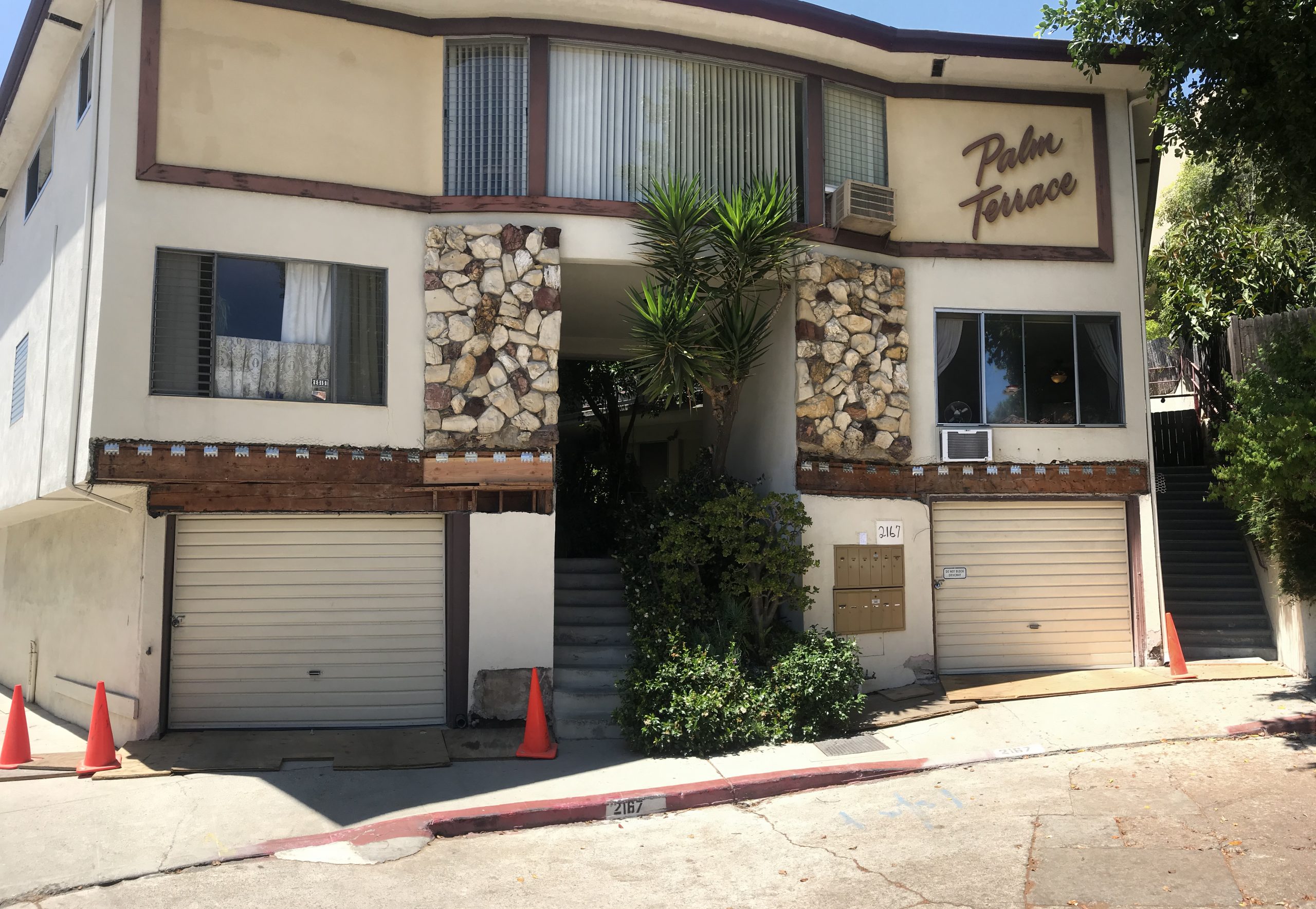
Redondo Beach occupies a high-risk seismic zone, primarily influenced by the Newport-Inglewood Fault. For building owners in the South Bay, seismic vulnerability is not just a safety concern. It is a significant structural and legal liability. Properties built before the mid-1970s, particularly those featuring tuck-under parking or open-front ground floors, lack the lateral strength required to withstand the ground acceleration common to coastal Los Angeles County.
Retrofit1 is a specialized design-build firm with over 700 completed projects across Southern California. We bridge the gap between complex structural engineering and high-quality construction, providing property owners with a single point of accountability for seismic compliance.
Seismic Risk Assessment: The Newport-Inglewood Fault & Coastal Geology
Unlike inland locations, Redondo Beach (90277 and 90278) presents unique geological challenges that amplify seismic waves.
- Liquefaction Vulnerability: Much of the coastal South Bay sits on sandy, unconsolidated soils. During a significant seismic event, these soils can lose strength and behave like a liquid, leading to severe foundation settlement or tilting.
- Corrosion Exposure: Ocean air accelerates the degradation of structural steel and concrete reinforcement. We utilize corrosion-resistant materials and coatings specifically designed for high-salt coastal environments.
- Proximity to Fault Lines: The Newport-Inglewood Fault, which runs through the South Bay, is capable of producing high-frequency ground movement that specifically targets the weak points of “soft-story” multi-family buildings.
Get a Quote
Need more help?
(844) 72-BUILD
(866) 985-6936
Testimonials from Our Redondo Beach Retrofitting Clients
“The crew knew their stuff, and it showed in the quality of their work." – Natassia Y.
Posted onTrustindex verifies that the original source of the review is Google. Great work!Posted onTrustindex verifies that the original source of the review is Google. Retrofit1 totally saved our home's foundation! We were stressing over cracks and uneven floors, but their team swooped in and handled everything with ease. From the first inspection to the final repair, they were super responsive and professional. The crew knew their stuff, and it showed in the quality of their work. Plus, they kept us in the loop throughout the whole process, which eased our worries. Now our foundation feels solid as a rock, and we can finally breathe easy knowing our home is in good hands. Huge shoutout to Retrofit1 for their expertise and excellent service! Highly recommend them!Posted onTrustindex verifies that the original source of the review is Google. Communication and quality! What is most important. Highly recommendedPosted onTrustindex verifies that the original source of the review is Google. Great company and great service and they do a great job.
Why Redondo Beach Property Owners Choose Retrofit1
We consolidate engineering and construction into a single Design-Build workflow to eliminate the “liability gap” between separate vendors.
- 700+ Projects: Proven structural performance across Southern California’s most active fault zones.
- Value Engineering: Our in-house engineers design for constructibility, minimizing material waste and preserving parking stalls.
- Redondo Beach Compliance: Established workflows with the local Building & Safety Division for expedited plan checks and final sign-offs.
- Commercial Capability: Licensed, bonded, and insured for high-capacity multi-family and commercial structural reinforcement.
High-Risk Property Profiles in the South Bay
Seismic vulnerability is highest in pre-1980 inventory. We specifically target the structural weak points of:
- Soft-Story Multi-Family: Buildings with “tuck-under” parking or large open ground floors.
- Raised Foundation Commercial: Older structures requiring mechanical anchoring (bolting) to prevent foundation separation.
- Coastal Infill Properties: Buildings located in Holocene Liquefaction Zones (90277/90278) that require deepened footings or shear panels.
What Affects the Cost of Earthquake Retrofitting in Redondo Beach?
The budgetary requirements for a seismic retrofit in Redondo Beach are dictated by the building’s Lateral Force Resisting System (LFRS) and the specific engineering required to meet current code. While every asset is unique, the scope of work is primarily influenced by:
- Structural Configuration: Multi-unit properties with “tuck-under” parking require significantly more robust engineering, typically involving Steel Moment Frames, compared to standard foundation anchoring.
- Foundation Integrity & Access: The existing condition of the concrete footprint and the clearance available for equipment directly impact labor hours and material logistics.
- Seismic Demand & Component Count: The number of required Shear Walls, drag struts, and collectors is determined by the building’s mass and its proximity to the Newport-Inglewood Fault.
- Geotechnical & Coastal Variables: Properties in Liquefaction Zones (90277/90278) may require deepened footings or grade beams to ensure structural stability during ground failure.
- Regulatory & Soft Costs: This includes specialized structural engineering, Redondo Beach Building Division permit fees, and the management of Tenant Habitability Plans (THP).
While a basic “Brace and Bolt” for a smaller structure is straightforward, multi-family and commercial assets require a sophisticated Design-Build approach. Following a comprehensive on-site structural analysis, Retrofit1 provides a detailed Scope of Work that outlines the specific engineering interventions required to protect your asset’s equity and reduce your long-term liability.
Seismic Retrofitting Services for Local Property Owners
We focus on four core structural upgrade services designed for buildings commonly found throughout coastal Los Angeles County. Our broader structural work can be explored through our full range of seismic retrofitting services, which outlines how different property types are evaluated and reinforced.
Need more help?
(844) 72-BUILD
(866) 985-6936
Soft-Story Retrofitting
Soft-story buildings with open ground floors or tuck-under parking are highly vulnerable during strong shaking. Our soft-story retrofitting process uses engineered steel frames and structural reinforcement to stabilize these weak levels and reduce collapse risk.
Earthquake Brace & Bolting
Earthquake Brace and Bolting secures raised-foundation homes to their concrete foundations. Through our earthquake brace and bolting program, anchor bolts and reinforced cripple walls help prevent sliding or structural separation.
Foundation Repair Services
Compromised foundations reduce a building’s ability to resist lateral forces. Our foundation repair services strengthen structural support systems so retrofits perform as intended.
Tenant Habitability Program (THP)
For multi-family properties, we follow construction practices aligned with the Tenant Habitability Program and coordinate closely with the local building department to minimize tenant disruption.
Our Step-by-Step Earthquake Retrofitting Process
Our integrated Design-Build process minimizes the friction between engineering and implementation.
Forensic Site Inspection
We conduct a structural audit to map seismic vulnerabilities, soil conditions, and load-path deficiencies.
Engineering & Value Design
Our in-house team drafts plans compliant with 2025 California Building Standards, optimizing for both cost and constructibility.
Construction & Execution
Licensed crews install structural steel, shear walls, and anchoring systems using corrosion-resistant materials designed for coastal environments.
Regulatory Close-Out
We coordinate all inspections with the Redondo Beach Building Division to secure final sign-offs and project clearance.
Common Questions
What Local Property Owners Often Ask Before Starting a Retrofit
While some Southern California cities have mandatory soft-story programs, requirements vary by municipality. We help property owners understand current city guidelines, compliance deadlines if applicable, and whether voluntary upgrades are recommended based on building type and year constructed.
Costs depend on foundation condition, crawl space access, structural deficiencies, and whether only brace and bolting is required or additional reinforcement is needed. After an inspection, we provide a detailed scope outlining materials, labor, engineering, and permitting considerations.
In many cases, soft-story and structural upgrades can be completed with minimal disruption. For larger multi-unit buildings, we coordinate scheduling carefully and follow tenant habitability guidelines to reduce inconvenience.
Permit timelines depend on current workload within the Redondo Beach Building & Safety Division and the complexity of the engineering plans. Properties near coastal zones or with structural modifications requiring plan check review may experience longer approval periods. We coordinate documentation, inspections, and final sign-off so property owners have clarity at every stage.
Structural upgrades can make a property more attractive to buyers and may positively influence certain insurance discussions, particularly in seismically active coastal communities.
Worried About Structural Liability or Earthquake Risk?
If you own property near the coast or along active fault zones, waiting until after a major quake can mean far higher repair costs, displacement, and legal exposure. A professional structural assessment provides clarity about your building’s current condition and the upgrades that truly matter.
Speak with our team to schedule an evaluation and understand your options before the next seismic event.
Regional Expertise: Serving the South Bay
Retrofit1 manages projects across the South Bay corridor, including Hermosa Beach, Manhattan Beach, and Torrance. We are intimately familiar with the region’s pre-1980 building inventory, coastal soil liquefaction risks, and the specific permitting nuances of local building departments.