
Earthquake Retrofitting in Oakland
Soft-Story You Can Rely On When It Matters Most
The Hayward Fault Is Why Oakland Requires Earthquake Retrofitting
The fault runs directly beneath the city, tracing from Montclair through the hills and into San Leandro. The USGS gives it a significant probability of producing a magnitude 6.7 or greater quake within 30 years. For most East Bay property owners, earthquake retrofitting in Oakland is no longer a smart-idea upgrade. It’s a legal requirement and a liability issue.
The 1989 Loma Prieta earthquake already showed what happens when older construction meets that kind of shaking. The Cypress Structure collapsed in West Oakland and killed 42 people, many trapped in the same soft-story and unreinforced failure patterns still standing in pre-1991 apartment buildings, Craftsman homes in Rockridge and Temescal, and mid-century fourplexes across the flatlands today.
That’s why the city now enforces some of the strictest seismic retrofit requirements in California.
Is Your Building Required to Retrofit?
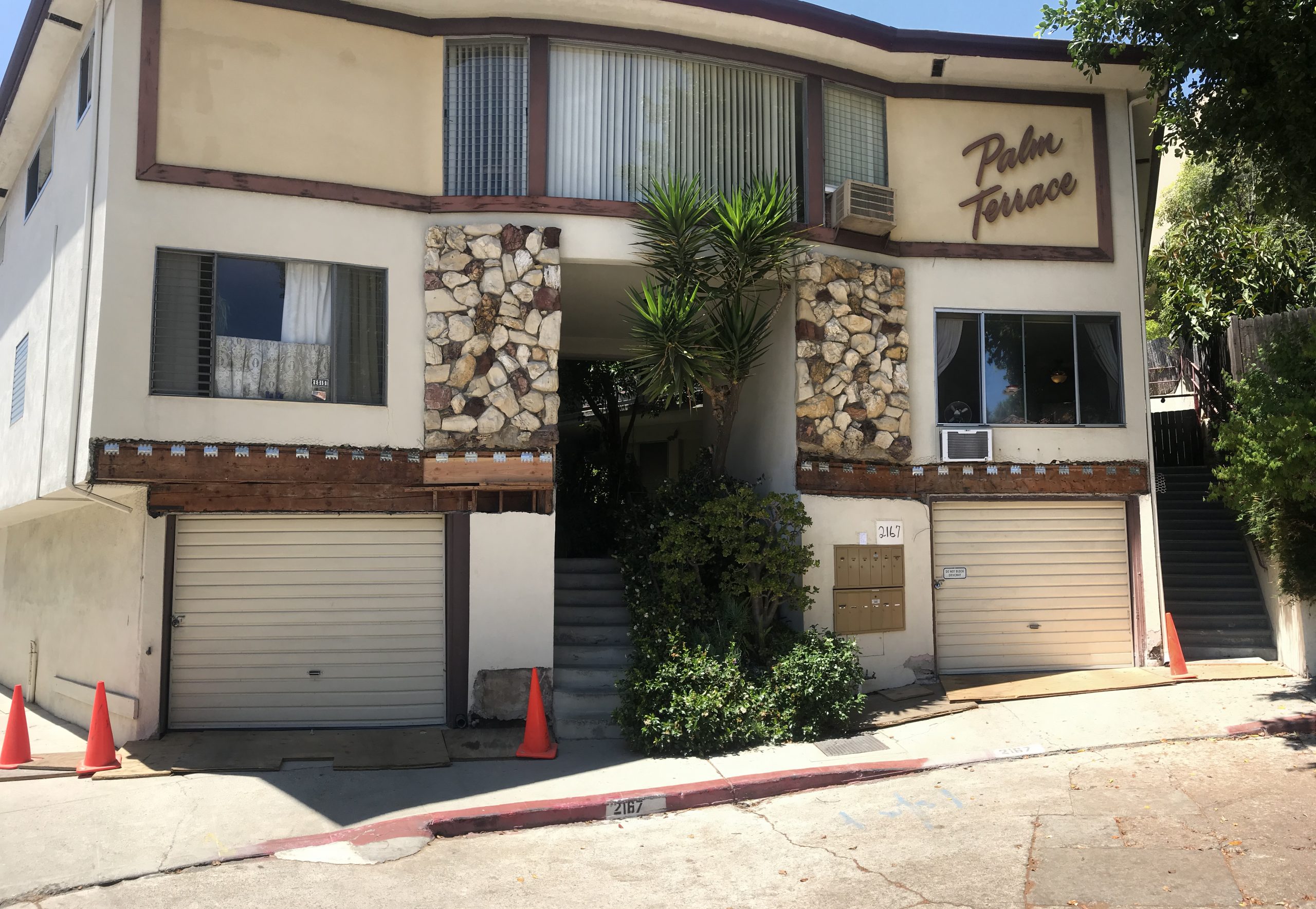
Oakland’s Mandatory Soft-Story Ordinance (Ordinance 13516) requires seismic upgrades for buildings most at risk of collapse during a major earthquake.
Your building may be required to complete retrofitting in Oakland if it has:
- Wood-frame construction with a soft story (such as tuck-under parking or an open garage level)
- Five or more residential units
- Construction permitted before January 1, 1991
Many older apartment buildings in neighborhoods like Temescal, Rockridge, Adams Point, West Oakland, Fruitvale, Grand Lake, Lakeshore, and the Dimond District fall into these categories.
Get a Quote
Need more help?
(844) 72-BUILD
(866) 985-6936
Building Tiers and Deadlines
The ordinance sorts buildings into three compliance tiers. As of 2026, every tier deadline has passed and the program is now in full enforcement:
- Tier 1 (20+ units): Deadline passed February 2023
- Tier 2 (5–19 units or mixed-use): Deadline passed February 2024
- Tier 3 (residential soft-story): Deadline February 21, 2025
If your building is past its compliance deadline, it is likely accruing risk on two fronts: active enforcement from the city, and full liability exposure to the next earthquake. Extension requests are still reviewed case by case, but the window for voluntary compliance without penalties is essentially closed.
Single-family homes and duplexes are exempt from the mandatory ordinance, but many homeowners still pursue voluntary upgrades to improve safety and qualify for state incentives.
Real Client Stories
“Retrofit1 totally saved our home's foundation!”
Posted onTrustindex verifies that the original source of the review is Google. Great work!Posted onTrustindex verifies that the original source of the review is Google. Retrofit1 totally saved our home's foundation! We were stressing over cracks and uneven floors, but their team swooped in and handled everything with ease. From the first inspection to the final repair, they were super responsive and professional. The crew knew their stuff, and it showed in the quality of their work. Plus, they kept us in the loop throughout the whole process, which eased our worries. Now our foundation feels solid as a rock, and we can finally breathe easy knowing our home is in good hands. Huge shoutout to Retrofit1 for their expertise and excellent service! Highly recommend them!Posted onTrustindex verifies that the original source of the review is Google. Communication and quality! What is most important. Highly recommendedPosted onTrustindex verifies that the original source of the review is Google. Great company and great service and they do a great job.
Financial Help Is Available for Oakland Property Owners
Retrofitting is often more affordable than owners expect. Local and state programs are designed to lower the cost barrier significantly.
Oakland's $250 Flat Fee Permit Program
Qualifying single-family homes and duplexes pay a flat $250 permit fee instead of standard rates that can reach thousands. Eligible projects must use Plan Set A or an engineered retrofit design.
State Grant Programs
Earthquake Brace + Bolt (EBB): Up to $3,000 standard, or up to $10,000 combined with the income-based supplemental for households earning $94,480 or less. Rental properties became eligible in 2025.
Earthquake Soft-Story (ESS) Grant: Up to $13,000 for qualifying homes with living space above an attached garage.
Our team helps property owners stack these programs and move quickly through eligibility.
How We Protect Oakland Buildings: Our Services
From tuck-under fourplexes off Grand Avenue to 1920s apartment buildings near Lake Merritt, we handle both mandatory soft-story ordinance work and voluntary residential seismic upgrades throughout Oakland, Los Angeles, Burbank, Beverly Hills and the greater East Bay.
Need more help?
(844) 72-BUILD
(866) 985-6936
Soft-Story Retrofitting
Soft-story buildings with open ground floors lack lateral support and are among the most collapse-prone structures in earthquakes. We install steel moment frames, engineered shear walls, and structural reinforcements designed to meet Oakland retrofit ordinance standards while preserving parking or commercial use.
Foundation Strengthening
A secure foundation is essential for seismic performance. We reinforce weak points, repair cracks, upgrade footings, and ensure proper anchorage between the foundation and framing above.
Earthquake Brace + Bolt
Many older Oakland homes were built without sufficient foundation connections. We install steel anchor bolts and plywood bracing to prevent sliding during earthquake shaking. This work often qualifies for Oakland’s permit incentives and Plan Set A standards.
Tenant Habitability Planning
For occupied multifamily buildings, we create Tenant Habitability Plans that minimize disruption and keep residents safely housed while meeting Oakland’s compliance requirements.
What to Expect: Our 4-Step Process

Step 1: Property Evaluation
We begin with a detailed structural assessment to identify vulnerabilities and determine exactly what your Oakland building needs. This also confirms whether Plan Set A applies or an engineered solution is required.
Step 2: Customized Retrofit Design
Our licensed structural engineers design a retrofit plan tailored to your building’s conditions and the City of Oakland’s ordinance requirements. We handle permitting and coordination with local departments.
Step 3: Professional Installation
Our experienced retrofit crews install steel frames, shear systems, foundation anchors, and bracing. Most earthquake retrofitting projects in Oakland take 2 to 6 weeks, and tenants can often remain in place during construction.
Step 4: Final Inspection and Compliance
We coordinate final city inspections and submit all required compliance documentation so your property is fully protected and legally compliant.

"The crew knew their stuff, and it showed in the quality of their work."
Natassia Y
Why Oakland Property Owners Trust Us
Over 700 retrofit projects completed across California, with a track record of successful ordinance compliance in every tier. Our crews have worked across Uptown, Jack London, Piedmont Avenue, and the Laurel District, which means we know how each neighborhood’s building stock responds to retrofit requirements.
- Deep ordinance experience from daily work with the Building & Planning Department’s permitting, enforcement, and extension procedures
- Licensed structural engineers designing every retrofit plan, executed by experienced field crews
- Tenant habitability planning that keeps residents safe and in place whenever possible during construction
- Flexible financing and grant navigation so cost does not become the reason a building stays unprotected
Common Questions
The Questions Most Owners Don't Think to Ask
Owners in this situation typically need to move quickly on an evaluation and retrofit permit while requesting an extension from the Building & Planning Department to limit exposure. Ignoring a past deadline compounds risk: escalating fines, recorded notices of violation on the property title, and restrictions on refinancing or selling.
Often, yes. The California Earthquake Authority offers up to a 25% premium discount on qualifying retrofitted homes, and many commercial insurers price multifamily buildings more favorably once ordinance compliance is documented.
Partially. Under the city's Rent Adjustment Program, owners can recapture up to 70% of seismic retrofit costs through a rent increase capped at 10%, amortized over 25 years. The petition is filed as a capital improvement, and approval depends on documentation and unit-specific eligibility.
Most of the city sits within 5 miles of the fault's surface trace, and neighborhoods like Montclair, Dimond, and parts of East Oakland sit directly on or above it. Proximity affects expected ground shaking and retrofit design priorities.
For most soft-story and single-family projects, no. The ordinance requires a complete, permitted retrofit to achieve compliance. Payment, however, can be phased through financing and grant stacking.
The Next Big Quake Won't Send a Warning
The Hayward Fault has ruptured roughly every 150 years for the past 2,000 years. The last major event was in 1868. Do the math, and the window is already open.
Every week you wait is a week your tenants, your investment, and your liability exposure sit unprotected. A single focused construction window with the right team is the difference between a building that shakes and stands, and one that becomes a headline.
Book your free evaluation and find out exactly where your building stands.