
Earthquake Retrofit in San Jose, CA
Code-ready seismic upgrades for your building.
Stop Paying for Penalties, Start Investing in Your Property.
If your San Jose multifamily building falls under the mandatory soft-story retrofit ordinance (Ordinance 31123, effective April 1, 2026), Retrofit1 provides full-scope earthquake retrofitting across San Jose and Santa Clara County. We handle engineering, permits, construction, and tenant coordination in a single engagement.
Does Your Building Qualify for a Soft-Story Retrofit?
Many older multifamily properties in Downtown San Jose, Willow Glen, Alum Rock, Cambrian, Evergreen, and West San Jose meet soft-story criteria.
Quick Self-Check
A structural evaluation is recommended if your property:
- Has parking or wide openings at ground level with units above
- Relies on slender columns at the first story
- Lacks continuous shear walls at the ground level
- Was built before major seismic code updates of the late 1980s and 1990s
- Has received a City compliance notice
Get a Quote
Need more help?
(844) 72-BUILD
(866) 985-6936
The Mandatory Retrofitting Law in San Jose
Ordinance 31123 (Mandatory Seismic Retrofit of Wood-Frame Target Story Residential Buildings) took effect April 1, 2026. It applies to wood-frame multifamily buildings with three or more units built or permitted before January 1, 1990, and is administered by the City’s Department of Planning, Building and Code Enforcement.
Compliance is phased across three building groups based on construction date and unit count. Confirm your building’s group and deadlines with the City at so***************@*******ca.gov or (408) 535-3598.

Financial Assistance for San Jose Soft-Story Retrofits
Mandatory retrofit costs do not always fall entirely on the owner. Two funding streams can help offset them:
City of San Jose FEMA Grant
The City of San Jose received a $4.6 million Federal Emergency Management Agency (FEMA) grant to offset retrofit costs for qualifying property owners as the ordinance rolls out.
California Seismic Retrofitting Program for Soft Story Multifamily Housing
Administered by the California Residential Mitigation Program (CRMP), this state program subsidizes seismic retrofits of soft-story apartment buildings through July 1, 2042. Eligibility evolves as funding is distributed. We help check whether your building qualifies.
Earthquake Safety Solutions Built Around Your Building
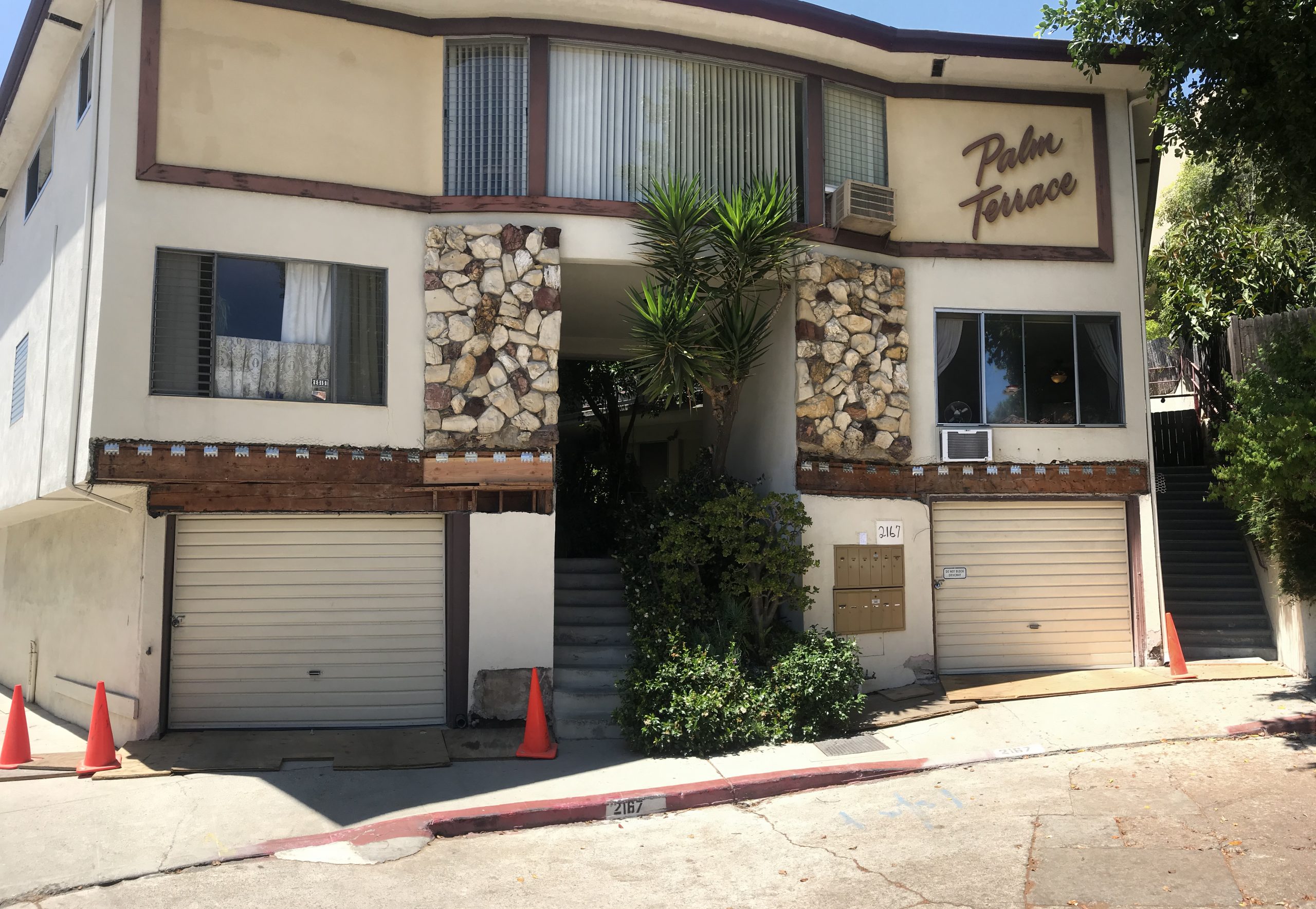
Earthquake retrofitting strengthens a building’s lateral force-resisting system, improves foundation connections, and reduces the risk of structural failure during a seismic event. The scopes below are components of that system. The right mix depends on what your specific building requires.
Need more help?
(844) 72-BUILD
(866) 985-6936
Soft-Story Retrofitting
We stabilize weak first stories with steel moment frames, structural shear walls, and anchorage systems. Our approach follows the workflow used across our soft-story retrofit projects.
Earthquake Brace & Bolting
We anchor framing to foundations using approved bolts and reinforced cripple walls to improve load transfer. This work is often completed as part of abrace and bolt retrofit scope.
Foundation Repair
When deficiencies are present, retrofit scopes begin with foundation repair to restore load-bearing stability before reinforcement.
Tenant Habitability Program (THP)
We coordinate required habitability plans so occupied buildings remain compliant during construction. Our structured tenant habitability plan supports organized project execution.
Our Retrofit Process
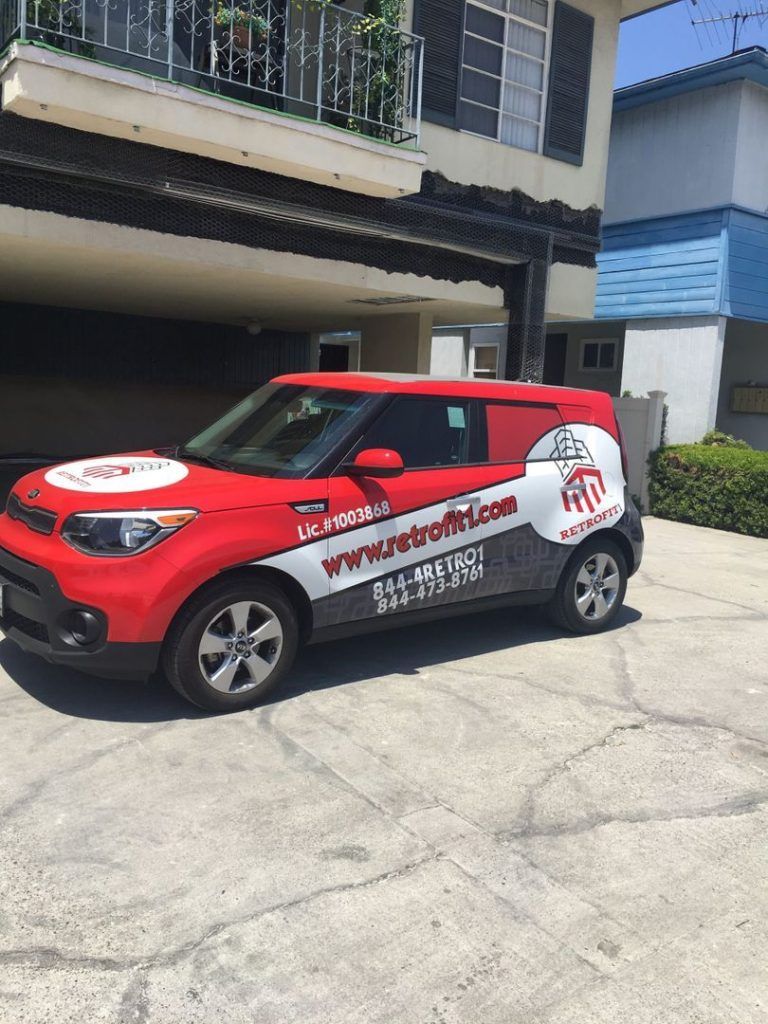
At Retrofit1, we follow a structured retrofitting process to protect your building against future quakes:
Step 1: Inspection and Eligibility Review
We evaluate framing, foundations, and first-story conditions to determine scope.
Step 2: Engineering and Permit Submission
Engineer-stamped drawings and calculations are prepared and submitted for review.
Step 3: Construction
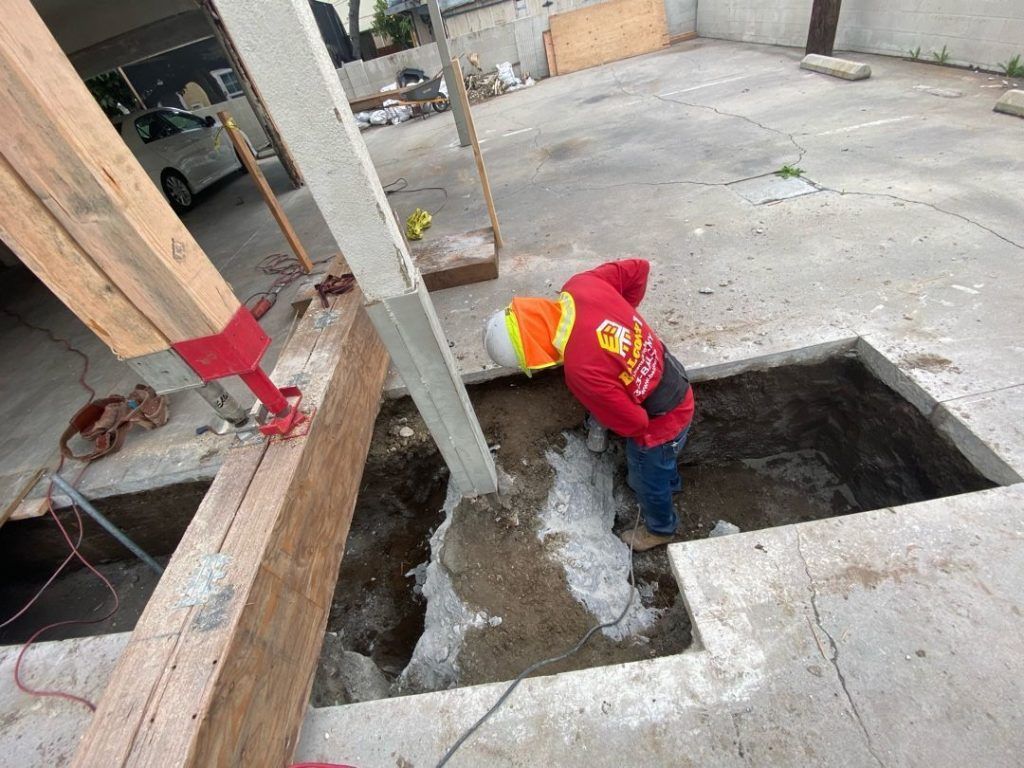
Approved structural components are installed per engineered plans.
Step 4: Final Inspection
City inspections confirm compliance with approved drawings.
Step 5: Documentation Package
Owners receive approved drawings, permit close-out records, and inspection confirmations.
“From the first inspection to the final repair, they were super responsive and professional.” – Natassia Y.
Proven Results. Safer Buildings. Happy Clients.
Posted onTrustindex verifies that the original source of the review is Google. Great work!Posted onTrustindex verifies that the original source of the review is Google. Retrofit1 totally saved our home's foundation! We were stressing over cracks and uneven floors, but their team swooped in and handled everything with ease. From the first inspection to the final repair, they were super responsive and professional. The crew knew their stuff, and it showed in the quality of their work. Plus, they kept us in the loop throughout the whole process, which eased our worries. Now our foundation feels solid as a rock, and we can finally breathe easy knowing our home is in good hands. Huge shoutout to Retrofit1 for their expertise and excellent service! Highly recommend them!Posted onTrustindex verifies that the original source of the review is Google. Communication and quality! What is most important. Highly recommendedPosted onTrustindex verifies that the original source of the review is Google. Great company and great service and they do a great job.
Engineering and Permit Timeline
Most projects include:
- 3–6 weeks for engineering and drafting
- 4–12+ weeks for city plan review and corrections
Construction typically takes 2–6 weeks once permits are issued.
What Determines Retrofit Cost?
Retrofit cost depends on structural scope, not a flat rate. Two buildings that look similar from the street can price differently once engineering is complete. The biggest cost drivers are:
- Building size and unit count. More square footage and more units mean more shear walls, more anchorage points, and more engineering hours.
- First-story configuration. A clean open-front parking area prices differently than a building with mixed ground-floor retail, multiple garage bays, or irregular column layouts.
- Engineering solution. Steel moment frames carry higher material and installation costs than plywood shear walls. Scope that requires hold-downs, drag struts, or custom steel adds further.
- Foundation condition. If the foundation needs repair or additional anchorage points, that work is added to the retrofit scope before reinforcement.
- Occupied construction logistics. Tenant habitability planning, staged work phases, and limited parking access during construction all affect labor hours.
- Plan review corrections. City corrections and structural clarifications can extend engineering time. Building correction cycles into the scope avoids surprises later.
Pricing for your building is provided after an on-site inspection and scope confirmation. You receive a line-itemed proposal, not a ballpark.
Seismic Context in San Jose
San Jose is located between the Calaveras and San Andreas fault systems. Older wood-frame multifamily buildings with open first stories are more vulnerable to seismic movement. Retrofitting improves structural continuity and resistance to lateral forces.
Why Property Owners Work With Retrofit1
Choosing a retrofit contractor is not just about construction. It is about selecting a team that can keep engineering, permits, scheduling, and inspections moving without costly delays.
- CSLB licensed and insured
- Structural engineer coordination
- Permit submission and correction management
- Experience in occupied multifamily buildings
- Clear scopes and defined timelines
Common Questions
Thinking About a Retrofit? Here’s What to Know First
In most cases, no. Soft-story retrofits are typically staged so most tenants can stay in place. Ground-floor or adjacent units may need temporary relocation for specific phases. San Jose regulations may require a Tenant Habitability Plan (THP), documented notice, and in some cases relocation assistance. We coordinate all of it before construction begins.
Partially, and within limits. San Jose's Apartment Rent Ordinance caps annual rent increases at 5%, which constrains how quickly owners can recover retrofit costs through rent. The City is also developing a Retrofit Financing Program intended to help offset owner costs while limiting tenant impact. Consult a housing attorney before building cost recovery into your pro forma.
Non-compliance with Ordinance 31123 can trigger fines, administrative citations, and restrictions on property transfers. It also raises civil liability exposure after an earthquake and tends to complicate refinancing. Early engagement with the City produces better outcomes than waiting for enforcement.
Indirectly, yes. A retrofitted building carries less structural liability and often earns better insurance and refinancing terms. As deadlines approach, non-compliant buildings will lose marketability, since buyers price in the retrofit cost they expect to inherit.
- Group 1: 5+ units, built before 1978 – April 1, 2031
- Group 2: 5+ units, built 1978–1989 – April 1, 2032
- Group 3: 3–4 units, built before 1990 – April 1, 2033
Get Ahead of the San Jose Retrofit Rush
As compliance deadlines close in, engineering queues lengthen, plan reviewers get swamped, and contractor schedules fill months out. Owners who move early avoid the crunch. Those who wait inherit a narrower menu of contractors, tighter construction windows, and less leverage over timing.
An on-site inspection gives you clarity: whether your building is covered, what the retrofit scope likely looks like, and how to sequence the work around your tenants and your calendar.
Schedule your inspection. Protect your property. Skip the scramble.